Fear, Excitement, or Aggression? Read Your Dog’s Signals
How can I tell whether my dog’s behavior is fear, excitement, or aggression?
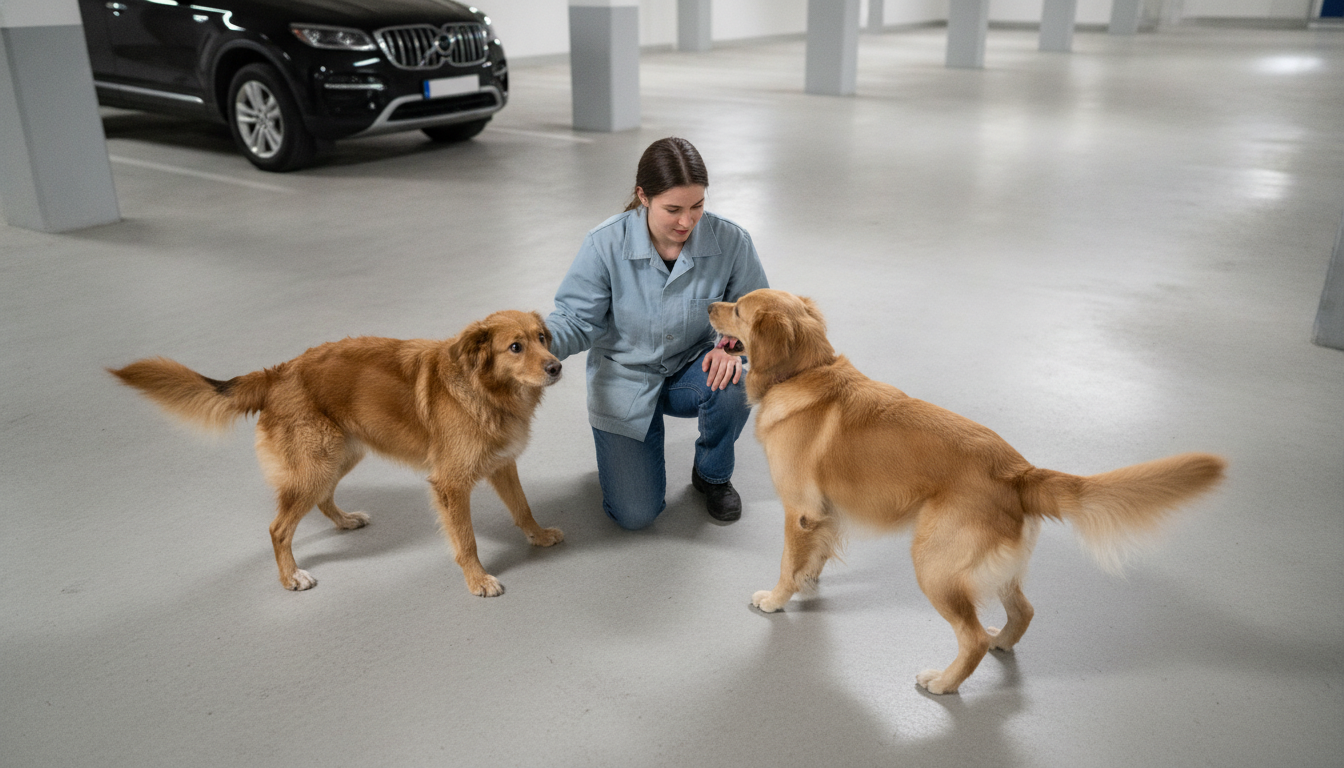
To tell fear, excitement, and aggression apart, focus on context plus body language—especially the eyes, mouth, tail position, and overall posture. The same “big reaction” can mean very different things depending on whether your dog is trying to create distance, rush in for interaction, or warn someone away.
Signs your dog is fearful
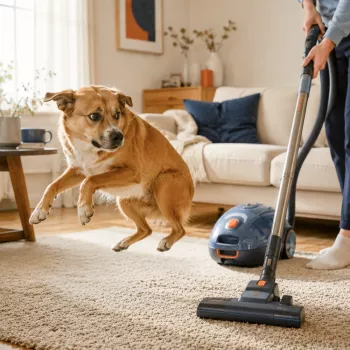
Fear usually looks like “please give me space.” Common clues include a lowered body, tucked tail, ears pinned back, lip licking, yawning when not tired, whale eye (showing the whites), and attempts to retreat or hide. Some fearful dogs freeze and stare before they move away, and others may bark defensively to keep a trigger at a distance. Fear can escalate into a snap if your dog feels trapped.
Signs your dog is excited
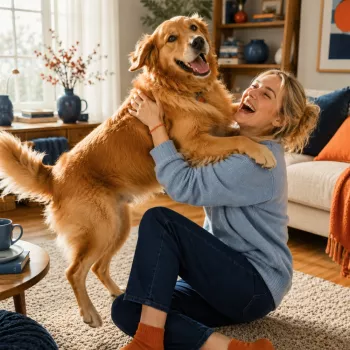
Excitement tends to look loose, bouncy, and social. You may see a wiggly body, play bow, open “smiling” mouth, quick movements, and a tail that’s wagging in wide arcs (often with the hips). Excited barking is often higher-pitched and paired with playful hops or spinning. Even so, overexcitement can turn into mouthing or jumping, so manage arousal before it tips into chaos.
Signs your dog is aggressive
Aggression typically looks like “back off” or “I might act.” Posture often becomes stiff and forward, weight shifts toward the front feet, and the dog may hold a hard stare. You might notice a closed mouth, lip lifting, growling, snarling, and a tail held high and tight (wagging can be slow and rigid rather than friendly). Aggressive behavior is more likely when your dog is guarding something, feels cornered, or is reacting to another dog’s signals.
Quick ways to sort it out in the moment
Ask: Is your dog trying to increase distance (fear), decrease distance to engage (excitement), or control the situation with warnings (aggression)? If you’re unsure, assume your dog needs space. Turn away, avoid reaching over their head, and calmly move them to a quieter area.
For a deeper breakdown with examples and what to do next, visit the complete guide here.
FAQ
Why does my dog growl during play?
Some dogs “talk” while playing, especially during tug or wrestling, and their bodies stay loose and bouncy. If the growl comes with stiffness, hard staring, or snapping when you pause the game, end play and give your dog a break to cool down.








Leave a comment