5-Minute Mindfulness Reset for Busy Parents
How does a 5-minute mindfulness audio reset fit into a busy parenting schedule?
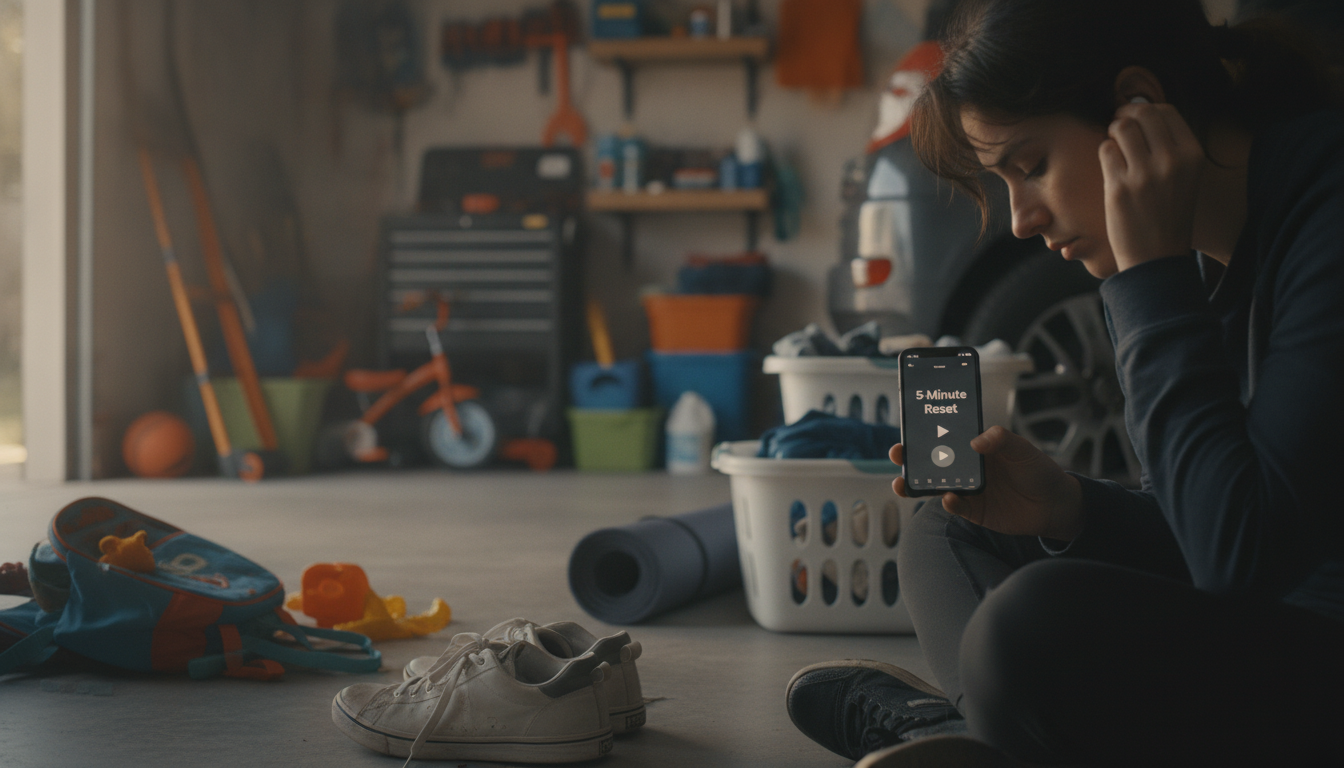
A 5-minute mindfulness audio reset works in real parenting life because it doesn’t require a perfect setup, a quiet house, or a big time block. It’s short enough to slide into the “in-between” moments that already exist—before you walk into the kitchen chaos, after a tough bedtime, or while you’re waiting for the carpool line to move.
Answer
The easiest way to make a 5-minute reset fit is to treat it like a transition tool, not another task. Use it to shift gears between roles—parenting to work, work to dinner, or “kid mode” to “adult calm.” When you pair the audio with a routine you already do, it becomes automatic instead of optional.
Where it naturally fits
Parents often find the best openings are: right after school drop-off, before picking up the kids, during a bathroom break, while warming up food, or in the few minutes after everyone’s finally in bed. Even if kids are nearby, you can still listen with one earbud and keep your eyes open; mindfulness doesn’t require shutting out your environment.
How to make it stick on hectic days
Pick one reliable “anchor moment” and reserve the reset for that time only—like buckling your seatbelt after drop-off or closing the dishwasher after dinner. If you miss it, skip the guilt and catch the next anchor. Consistency comes from reducing choices, not adding pressure.
What changes in 5 minutes
Five minutes won’t erase exhaustion, but it can lower reactivity and help your body unclench—especially if the audio guides slow breathing and a quick check-in with how you’re feeling. That small shift can be the difference between snapping and responding, or between scrolling to numb out and actually resting.
For a deeper look at how a short mindfulness audio can work inside real family rhythms, visit the main article.
FAQ
What if my kids interrupt the whole time?
Plan for interruptions and keep going anyway—pause only if you need to respond for safety. Even catching 60–90 seconds of guided breathing can help, and over time kids often adapt when they see it’s a quick, consistent routine.











Leave a comment